
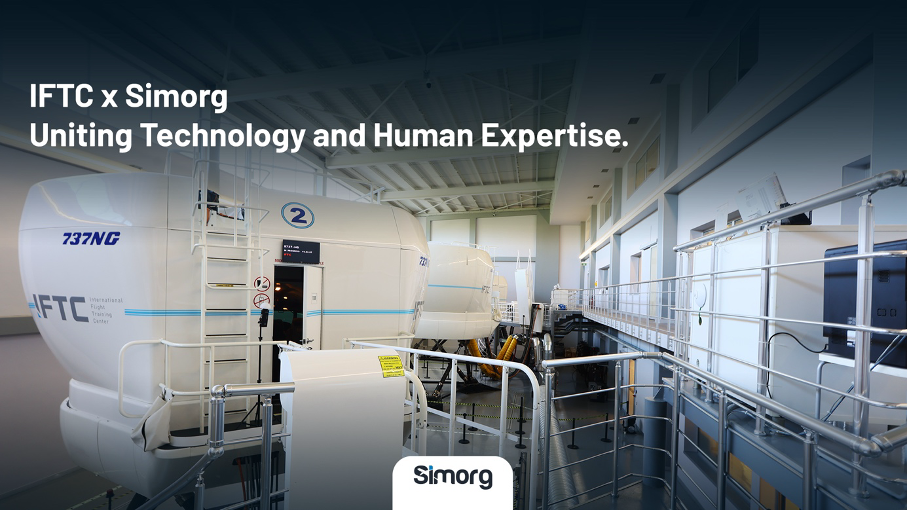
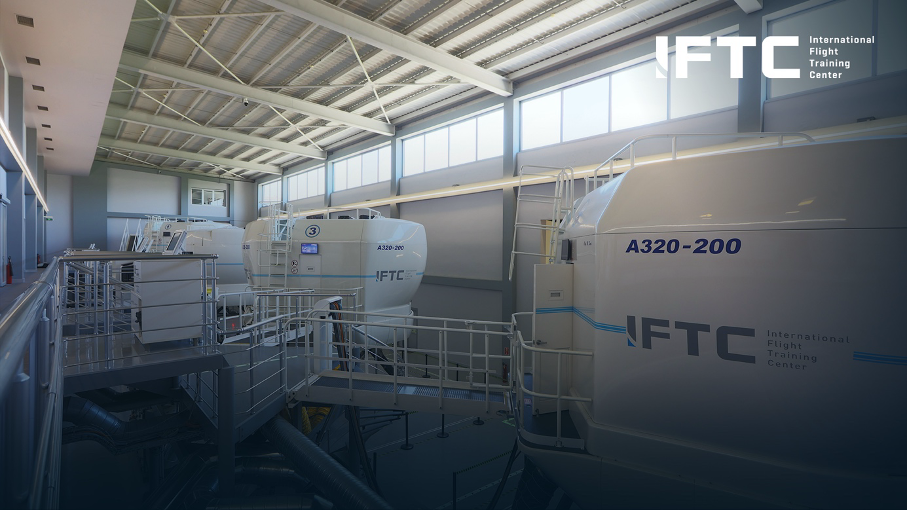
IFTC (International Flight Training Center) is the first independent and private training center established to provide simulator capacity in A320 family and B737 NG aircrafts. With two simulator centres located in Istanbul & Antalya, IFTC seeks to add value in training the pilots while experiencing an atmosphere of excellency. IFTC also provides individuals and airlines with crew recruitment, cabin emergency & evacuation trainer (CEET), crew training, MCC (Multi Crew Cooperation), DGR (Dangerous Goods Regulations), CRM (Cabin Resource Management), assessments for airlines, Human Factors, and Dispatch with its highly professional training team. As a member company of Gözen Holding, a model organisation of international repute, IFTC uses its unique position in the international aviation sector in supporting the industry’s training requirements.
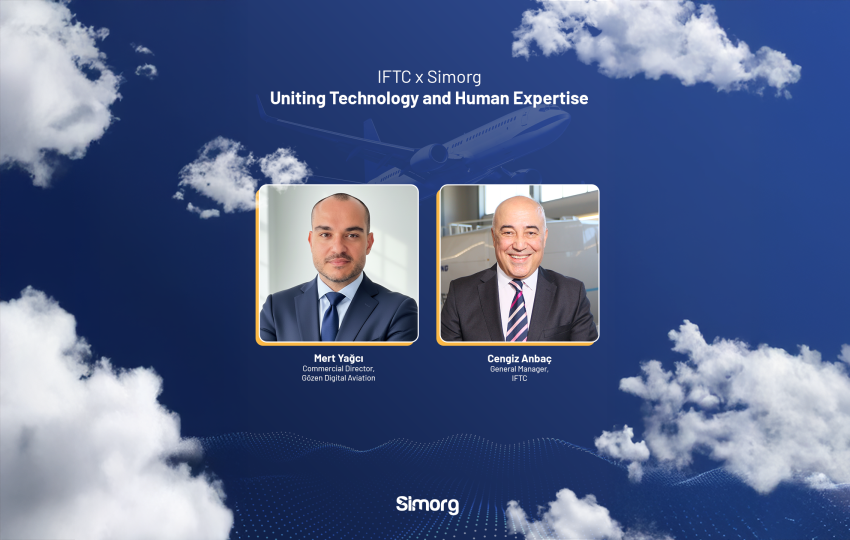
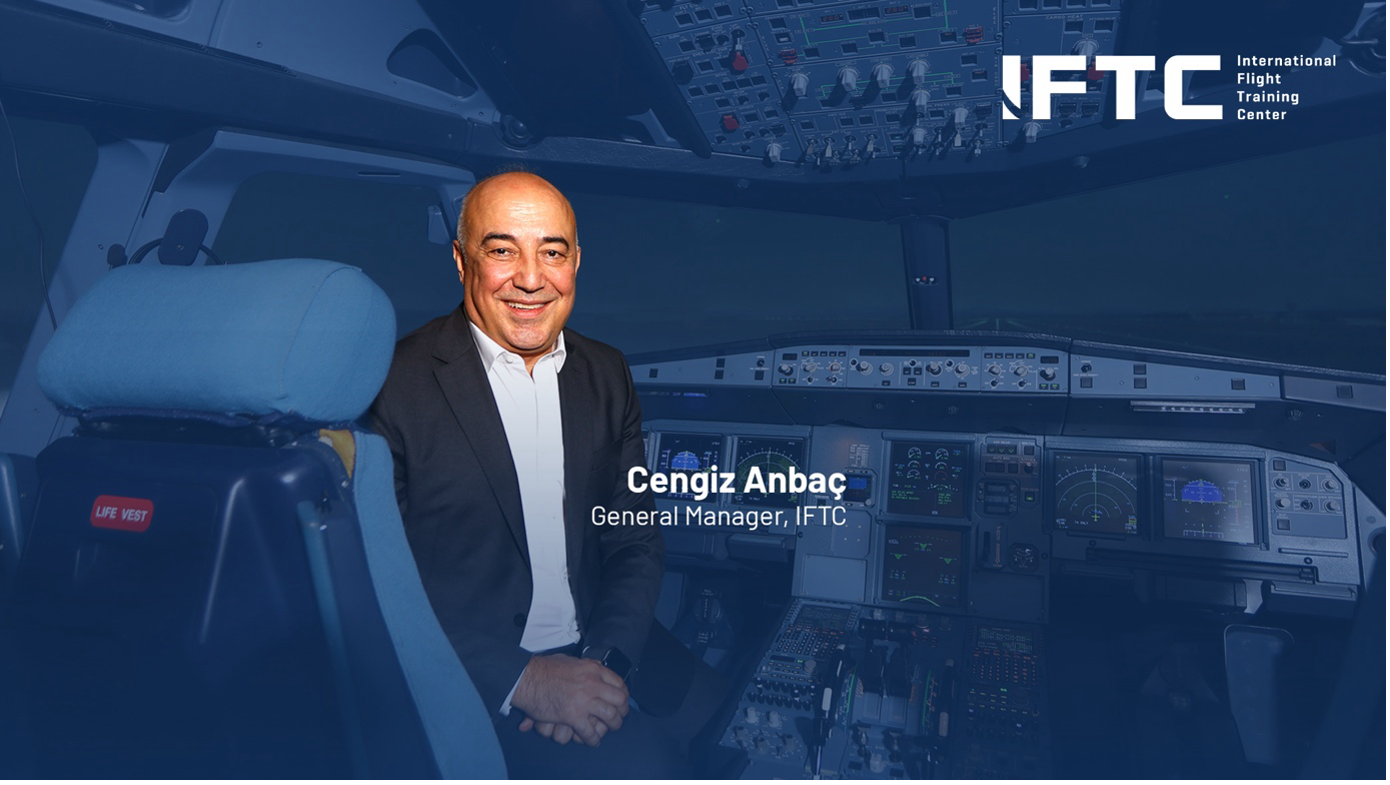
With over a decade at the helm of IFTC Istanbul, Cengiz Anbaş has built a distinguished career in aviation training and simulation, marked by strategic leadership and an unwavering commitment to excellence. At Freebird Airlines Europe, he spearheaded the ATO training department, ensuring regulatory compliance and maintaining the highest training standards for A320 and B737 aircraft.
As a Fellow of the Royal Aeronautical Society, his expertise spans overseeing start-ups and managing airline operations across continents. Through his leadership, Cengiz Anbaç and his team have continually advanced the frontiers of aviation training — equipping flight crews with the skills and mindset needed to meet tomorrow’s challenges.
Cengiz: Absolutely. I started my aviation career in the Turkish Air Force. After transitioning to the civilian sector, I flew business jets and later joined the airline world, flying four different transport-category aircraft types, including wide-body.
I'm currently active as an Instructor and Examiner Captain on the A320, and I’ve always had a parallel focus on training and operational leadership. Over the years, I’ve taken on responsibilities that extend beyond the cockpit from flight operations and training management to supporting the development and certification of two Approved Training Organizations (ATOs) and being actively involved in the startup of five airlines. These roles have allowed me to see aviation from both an operational and organizational perspective..
In fact, I also led the establishment of IFTC, a training center specifically for the airline sector, which I’ve been running as CEO for the past 17 years. That role has given me a broader, strategic view of how to bridge regulatory compliance, pilot development, and airline operational goals.
Cengiz: You're absolutely right when we launched IFTC, there were no independent simulator training centers in Türkiye or the region surrounding us. It was a bold move, and honestly, one that raised eyebrows at the time. But for us, the idea came from a very real, firsthand understanding of the gap in the market.
We saw that airlines — especially new or expanding ones — were struggling to find flexible, high-quality training capacity in the country. Everything was either locked into flag carriers or based abroad, which made logistics and costs a real challenge for many operators in this part of the world.
That’s where the idea for IFTC came from. We wanted to create a regionally accessible, globally compliant training center that could support the growing aviation ecosystem in Türkiye and beyond. Our aim wasn’t just to offer simulator time — it was to deliver operationally aligned, standards-driven, tailored training solutions that airlines could trust.
Starting from scratch, we built our infrastructure, secured regulatory approvals, and brought in teams who understood both the technical and instructional sides of aviation. The key was staying ahead of both regulatory changes and industry needs, while also building strong, long-term relationships with our airline partners.
Over the past 17 years, IFTC has grown into a trusted training provider, not just because we had the equipment, but because we delivered consistent value, quality, and flexibility — all rooted in the operational realities of our clients. Looking back, I’d say the success came from timing, a deep understanding of the industry, and the ability to execute with discipline while thinking like an operator, not just a vendor."
Cengiz: Yes, that was a milestone we’re still very proud of. Back in 2012, sustainability wasn’t yet a headline topic in aviation, and very few — if any — organizations were integrating green principles into training operations. But from day one, we believed that innovation should go hand-in-hand with long-term responsibility.
When we designed our second IFTC facility, the idea wasn’t just to expand it was to rethink how a training center could function. We asked: what if a flight training center could reduce its carbon footprint, minimize energy dependency, and still operate at full capacity, without compromising on quality or compliance?
That led us to develop a facility that was, for its time, truly ahead of the curve incorporating solar energy systems, energy-efficient simulator environments, and smart infrastructure to reduce waste and emissions. It became the first fully self-sustaining flight training center in the world, and it still serves as a model for what’s possible when you combine aviation expertise with environmental awareness.
What’s interesting is that we weren’t chasing a trend — sustainability wasn’t yet ‘popular’ in 2012. We did it because we believed it was the right thing to do, both operationally and ethically. And today, as ESG and sustainability standards are becoming more formalized in aviation, I’m proud that we were thinking that way over a decade ago. It shows that true innovation often comes from looking beyond short-term gains and focusing on what the industry — and the planet — truly needs."
Cengiz: Since its establishment, IFTC has experienced steady and strategic growth. As part of Gözen Holding, which has been active in the aviation industry for more than 45 years, we benefit from a deep-rooted culture of expertise and professionalism. Within such a strong group structure, it is only natural for a team like ours to make confident, well-informed investment decisions and move quickly when opportunities arise.
For example, there were only six months between the decision to acquire our latest Full Flight Simulator (FFS) and its installation a clear demonstration of how agile and execution-focused we are as an organization. Our Simorg system played a key role in this process. We have great confidence in the reports and insights it provides, and they have become an essential part of our decision-making framework.
When discussing additional investments with our management, these reports were always at the center of the conversation guiding us both strategically, in terms of market dynamics, and operationally, ensuring each step aligned with Gözen Holding’s long-term vision for sustainable growth in aviation training.
Cengiz: Human capital is of utmost importance here. I have full trust in our employees, but Simorg has also been a tremendous help both for me and for them in streamlining operations between the two centers, from the initial setup phase to the ongoing training activities.
IFTC takes great pride in delivering the same high standard of service at both locations, and Simorg truly serves as the backbone that makes this possible.
Cengiz: Simorg has provided us with exceptional visibility through its preventive maintenance reports and real-time utilization analysis for each simulator. This level of insight allows us to act proactively, optimize scheduling, and minimize downtime.
As a result, we were able to operate our six simulators for more than 35,000 hours last year — an achievement that reflects both our team’s dedication and the efficiency that Simorg enables across our operations.
Cengiz: In the coming years, the importance of supporting experienced staff with the right digital tools will become even more critical. In a field like aviation training, which demands precision and safety above all else, technology is no longer just an auxiliary component it’s an integral part of the operation.
At IFTC, we place great emphasis on combining the advantages of digitalization with human expertise. Systems like Simorg strengthen our data-driven decision-making processes, while our instructors’ knowledge and experience add invaluable human insight to the equation.
Looking ahead, the organizations that will truly stand out in this sector are those that can balance technology and human capability integrating both seamlessly to deliver smarter, safer, and more effective training.
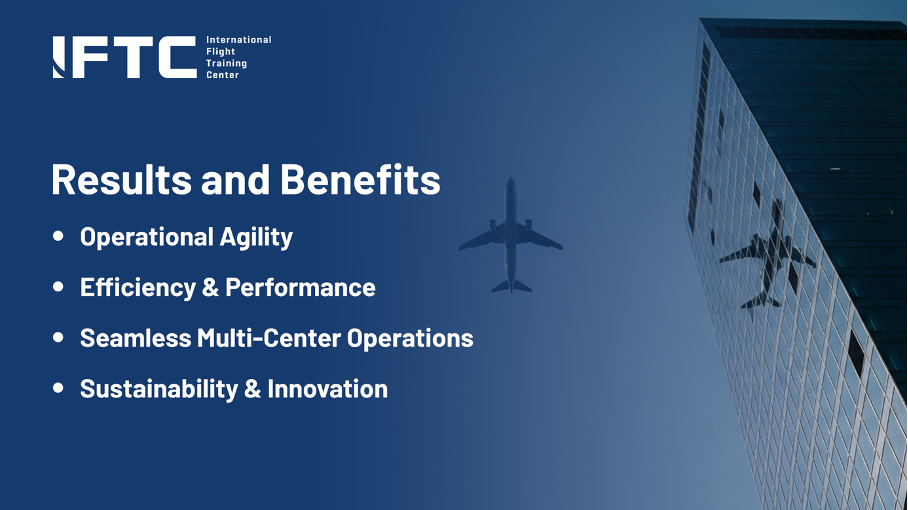
Results and Benefits
1. Operational Agility
IFTC’s data-driven decision-making enabled rapid expansion including acquiring and installing a new Full Flight Simulator within just six months ensuring sustainable and efficient growth.
2. Efficiency & Performance
With Simorg’s real-time analytics and preventive maintenance tools, IFTC achieved 99% simulator utilization and operated for 35,000+ training hours annually, minimizing downtime and maximizing output.
3. Seamless Multi-Center Operations
Simorg streamlined coordination between the Istanbul and Antalya centers, maintaining unified quality standards and operational consistency across both training locations.
4. Sustainability & Innovation
As the world’s first self-sustaining flight training center, IFTC set an industry benchmark by integrating solar energy and smart infrastructure to combine operational excellence with environmental responsibility.
Statement from Mert Yağcı:
IFTC truly stands as a model of operational excellence. The experience of IFTC shows how Simorg supports the fusion of technology and human capability, creating a foundation for efficient, data-led aviation training operations.